The future of safety and operations isn’t just about having data. It’s about knowing what to do with it.
For years, artificial intelligence felt like something organizations were “looking into.”
There was plenty of curiosity, plenty of discussion, and no shortage of predictions about how AI would change the workplace.
Today, that conversation has shifted.
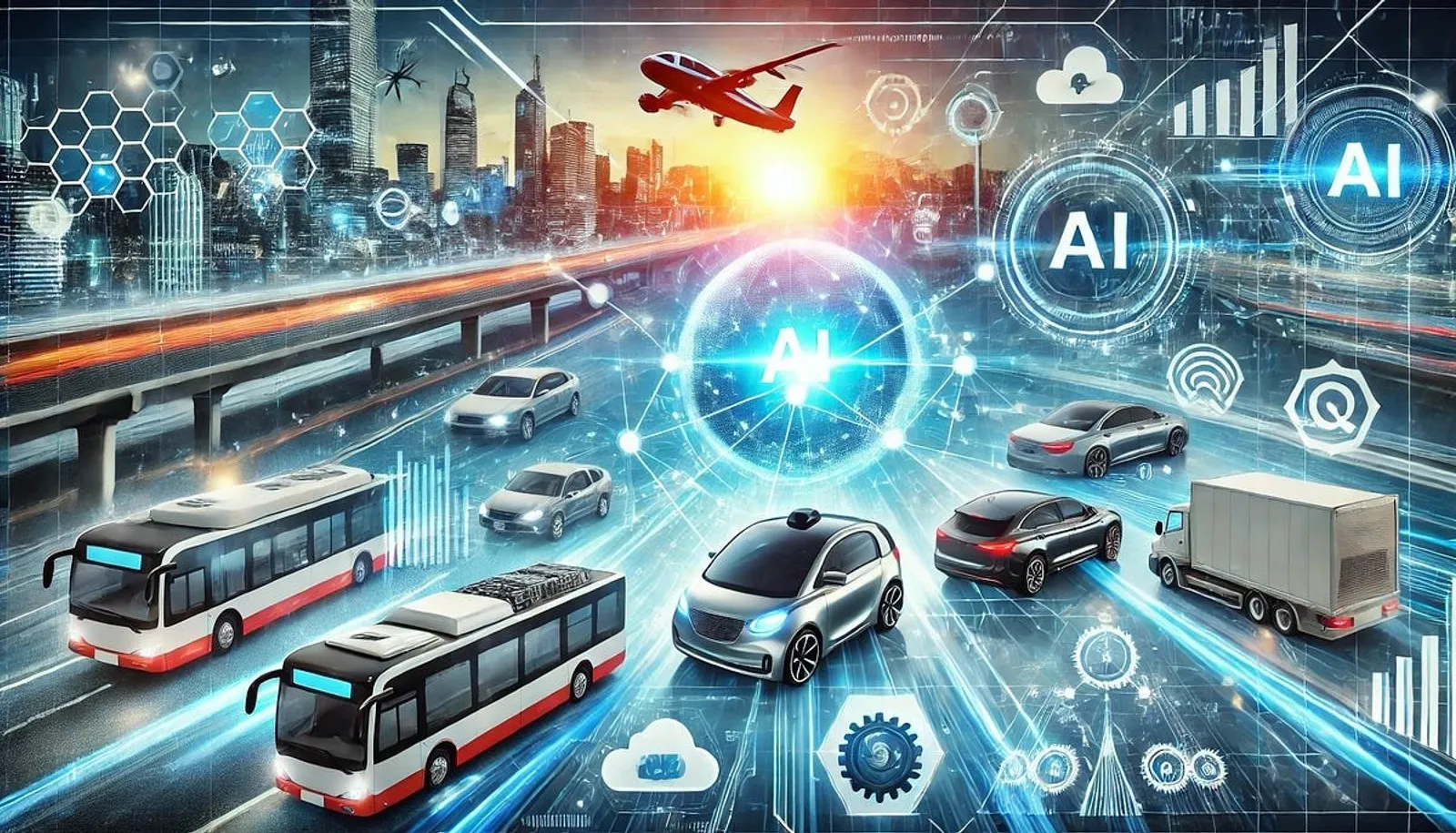
According to industry leaders, AI is no longer being viewed as a future possibility. Organizations are increasingly looking for practical, outcome-driven applications that improve visibility, reduce risk, and support better decision-making.
In industries like transportation, construction, warehousing, logistics, and moving, that shift is particularly important.
The Challenge Isn’t a Lack of Data. Most companies already have data.
The challenge is that it’s often scattered across far too many reports, paper files, whiteboards and more.
The result? Teams spend significant time gathering information instead of acting on it.
Managers know they have valuable data. They just don’t always have an easy way to turn it into meaningful insight.
AI’s Real Value Is Visibility
When people hear “AI,” they often think about automation. But one of the biggest opportunities is visibility.
AI can help organizations:
Identify patterns that might otherwise go unnoticed
Highlight emerging risks
Surface overdue actions
Improve response times
Support better operational decisions
Rather than replacing people, it helps people focus on the areas that need attention most.
For safety leaders, operations managers, and fleet managers, that’s where the real value begins.
The Future of Safety Is Proactive
Historically, many organizations have managed safety and compliance reactively.
An inspection happens. An incident occurs. A document expires. Then action is taken.
AI has the potential to change that by helping organizations identify trends and risks before they become operational problems.
Instead of asking: “What happened?”
Organizations can begin asking: “What is likely to happen next?”
That’s a significant shift.
How Skye Is Embracing AI
At Synergic Software, we’re actively exploring and integrating AI capabilities into Skye to help organizations gain more value from the information they already have.
The goal isn’t technology for technology’s sake.
The goal is to make fleet management, safety oversight, compliance tracking, training administration, and operational decision-making easier and more effective.
As Skye continues to evolve, AI will help organizations:
Surface important information faster
Identify potential compliance gaps
Highlight trends across fleets and operations
Improve visibility into training and safety programs
Support smarter operational decisions
Most importantly, AI will help transform data into action.
Looking Beyond Today
The organizations gaining the most value from AI aren’t necessarily the ones chasing every new tool.
They’re the ones using technology to solve real operational challenges.
Safety, compliance, fleet oversight, and operational performance all depend on having the right information at the right time.
AI is helping make that possible.
And as Skyecontinues to grow, we’re excited about how these capabilities will help our clients work smarter, stay safer, and make better decisions for years to come.
Take a look for yourself and see how being proactive can transform your operations and so much more —start your free trial today at www.synergicsoftware.comor contact us today for a demo hello@synergicsoftware.com
Related posts
When Training Fails, Compliance Fails — And Fleets Pay the Price
A recent Ontario audit uncovered serious shortcomings in truck driver training and oversight. The findings pointed to gaps in documentation, inconsistent standards, and a lack of proof that drivers…
Why Driver Finishing Programs Are More Important Than Ever
One of the biggest challenges facing the transportation industry today is helping new drivers transition from training to the realities of the road.
The Hidden Complexity of Supply Operations
When people think about suppliers, they often think about products, inventory, and deliveries.